
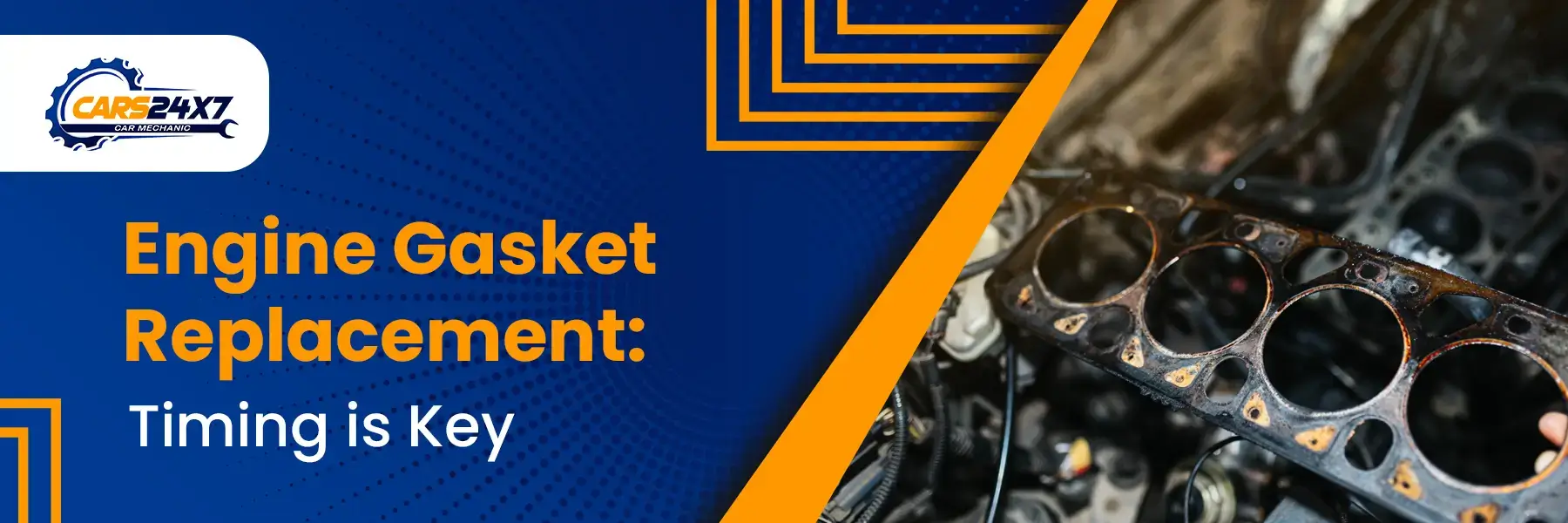
 Your engine does a lot of heavy lifting every time you hit the road. But one part, hidden away and often forgotten, plays a huge role in holding the whole thing together – the engine gasket. It might not get the spotlight, but the quiet hero keeps your engine sealed, pressurised, and running the way it should. When it’s doing its job, you’ll never know it’s there. When does it fail? Well, let’s just say you’ll know.
So, how often does an engine gasket need to be replaced? Is it something you plan for, like a timing belt, or does it just catch you off guard? In this article, you’ll discover what this part does, how long it lasts, how to spot early trouble, and when it might make more sense to repair your car or let it go.
What Exactly Is an Engine Gasket?
Think of the engine gasket as a highly skilled referee in a very intense game. It sits between the engine block and the cylinder head, and its main job is to keep three important things from crashing into each other – oil, coolant, and combustion gases. Without it, you’d end up with a hot, sludgy, pressure-losing mess under your bonnet.
It seals off crucial parts of your engine so that each can do its job properly. If that seal breaks, your engine starts leaking fluids, losing power, or overheating – sometimes all at once.
How Long Does It Last?
The good news is than an engine gasket isn’t something that needs changing every few years. With regular driving and proper maintenance, it can often last anywhere from 100,000 to 150,000 kilometers. Some last longer. Others, not so lucky.
It depends on a few things – the quality of the part, how hot your engine runs, how often you service your vehicle, and, honestly, a bit of luck. If your engine overheats often or if you’ve been slacking on coolant changes, the gasket is under a lot more stress than it should be.
Warning Signs You Should Never Ignore
A failing engine gasket usually doesn’t go quietly. Here are the red flags to watch for:
- White smoke coming from your exhaust (looks like steam)
- Oil that looks milky or frothy when you check the dipstick
- The engine is running hotter than usual
- Losing coolant but can’t find a leak
- Rough idling or a drop in engine power
Any of these signs is your car’s way of telling you something’s wrong. Ignore them, and you could be looking at a much bigger issue down the track.
Can You Stop It from Failing?
You can’t stop time, but you can slow the wear. If you want to help your engine gasket last as long as possible, the key is maintenance. Here’s what helps:
- Keep your cooling system in good shape and your coolant topped up
- Don’t ignore temperature warnings or overheating
- Get your oil changed regularly
- Use quality fluids, not the cheap stuff
- Take your car in for a checkup if something feels off
Simple steps, but they make a big difference.
Can a Blown Gasket Do Even More Damage?
Yes – and fast. After the engine gasket blows, it can generate a domino effect of mechanical damage. Leaking coolant into the combustion chamber can cause overheating. Oil contamination lowers lubrication and raises wear on engine parts. Cylinder pressure dropping can affect performance.
In extreme cases, this can be destructive to the cylinder head, pistons, or even break the engine block. These aren’t simple repairs. That’s why it’s so important to move quickly when warning signs show up. A prompt repair will prevent a small problem from turning into a complete engine rebuild.
Preventing Premature Gasket Failure
Though no gasket lasts forever, there are several ways to prolong its life and prevent expensive breakdowns:
- Keep the cooling system healthy and check coolant levels
- Act fast if overheating or temperature lights come on
- Follow normal oil change schedules
- Utilise quality engine fluids
- Address unusual odors, noises, or drops in performance in advance
Proactive maintenance can be a lifesaver. Some basic habits can safeguard the engine gasket and make the engine perform well for many years.
Is It Always Worth Replacing?
Not necessarily. Replacing an engine gasket can be pricey, and if the breakdown has resulted in further damage, the bill can be even higher. However, if the vehicle is relatively new, is in good condition, and still has a lot of life left, the expense is generally well worth it.
On the other hand, if the vehicle already has high mileage, a history of frequent problems, or low resale, it may be time to consider whether the repair expense is worth it. Look at the repair estimate in comparison to the market value of the car and its reliability down the road. In some cases, investing that money in a newer, more reliable vehicle is the better decision.
Can a Blown Engine Gasket Be Driven On?
Technically, yes – but it’s not advised and is dangerous. Driving with a faulty gasket will increase the damage at a very fast rate. Overheating, power loss, and contamination of critical engine fluids can happen within a very short period.
If a gasket failure is suspected, the best course of action is to pull over and have the vehicle checked by a mechanic. Catching the issue early could result in a lower repair bill and less stress in general.
Conclusion
An engine gasket might not be the flashiest part under the hood, but it’s one of the most important. When it works, your car runs like a dream. When it fails, it can turn into a costly nightmare. Keep an eye out for the warning signs, take care of your engine, and know when it’s time to repair or replace.
And if that time comes, Cars 24×7 is here to take the hassle out of your hands. Because when your engine says “enough,” you deserve a smoother road ahead.